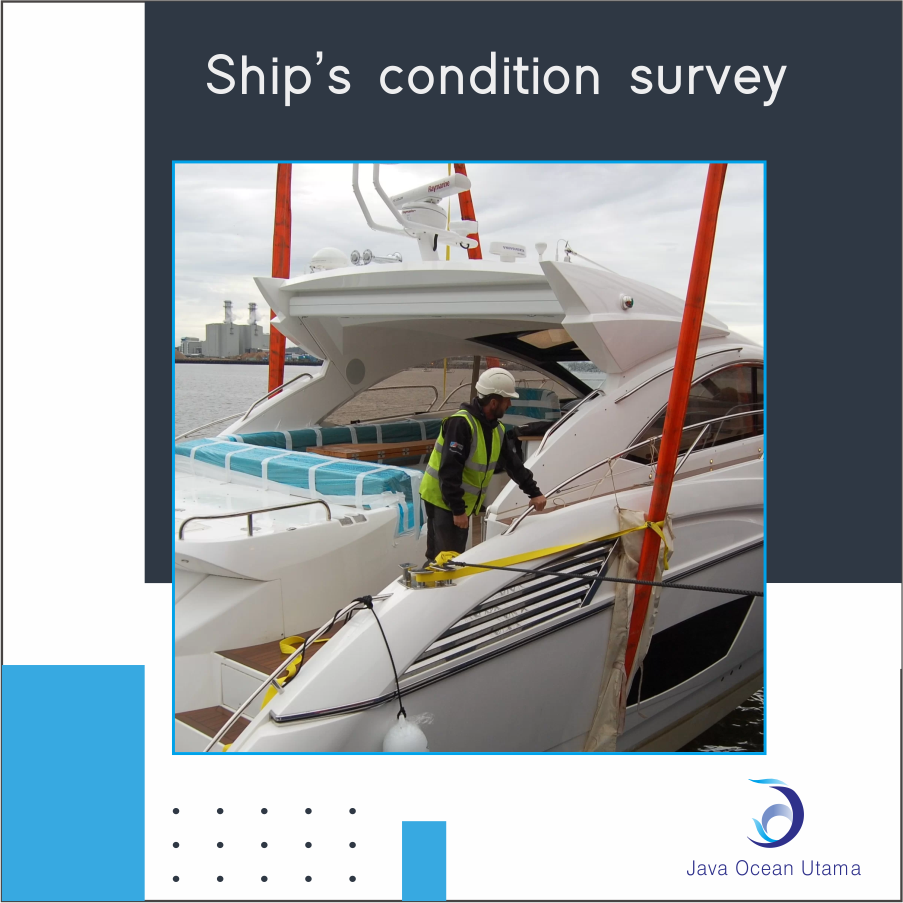
Why Regular Vessel Inspections Matter
Regular vessel inspections are not just a regulatory requirement—they are fundamental to maritime safety, operational efficiency, and environmental protection. These inspections help identify potential issues before they become serious problems.
Safety Benefits
The primary benefit of regular inspections is enhanced safety for crew, cargo, and the environment:
- Early detection of structural weaknesses
- Identification of equipment malfunctions
- Prevention of catastrophic failures
- Verification of safety equipment functionality
Regulatory Compliance
Regular inspections ensure compliance with international maritime regulations including:
- SOLAS (Safety of Life at Sea) requirements
- MARPOL environmental standards
- Flag state requirements
- Port state control regulations
Operational Efficiency
Well-maintained vessels through regular inspections result in:
- Reduced downtime and operational disruptions
- Lower maintenance costs through preventive action
- Extended vessel lifespan
- Better fuel efficiency
Best Practices
To maximize the benefits of vessel inspections:
- Maintain a consistent inspection schedule
- Use qualified and experienced surveyors
- Document all findings thoroughly
- Address identified issues promptly
- Implement a proactive maintenance program
Conclusion
Regular vessel inspections are an investment in safety, compliance, and operational excellence. By prioritizing these inspections and addressing findings promptly, shipowners can protect their assets, crew, and the marine environment.